
Featured









Vitality doesn’t come from dramatic life changes. It grows from small experiences that restore attention, regulate the nervous system, and strengthen the brain’s capacity to adapt. Everyday Ways to Vitality shows how simple actions can gradually rebuild energy, clarity, and resilience.
High-achieving professionals don’t just work hard—they make hundreds of decisions every day. But what if I told you that this constant decision-making is silently eroding your mental clarity, strategic thinking, and adaptability?
Burnout doesn’t happen overnight. It builds up gradually, creeping into your daily life until one day, you wake up feeling completely exhausted—mentally, emotionally, and physically. But before reaching full burnout, there are warning signs your body and mind send out. Recognizing these signs early can help you take action before burnout takes over. It usually means that vitality and resilience reserves have been depleted. Time to rejuvenate them!
Ever feel sluggish or mentally foggy at your desk, struggling to concentrate no matter how much coffee you drink? It might not be your workload — it could be the air you’re breathing. The air inside many offices is often stale and recycled, filled with pollutants and lacking the revitalizing qualities of nature. By stepping outside for a breath of fresh air, you’re doing more than just taking a break—you’re giving your mind, body, and brain a much-needed boost. Here’s how the air in nature can make all the difference compared to typical office air.
Change happens everywhere—at work, in relationships, through technology, and within society. Instead of fighting it, the key to success is developing adaptability. One surprising yet effective way to build that skill? Walking!
Your posture may be shaping how others perceive you. Instant judgments are made based on body language. An upright, open posture conveys confidence and approachability, while a slouched, closed posture can suggest defensiveness or disengagement. Walking is an excellent way to improve your posture as well as you mental and emotional state.
The 4-7-8 breathing technique, sometimes referred to as "yoga breathing," is a simple breathing exercise that can help promote relaxation and reduce stress. Here's how to do it:
The key to priming your receptivity is to interrupt that internal chatter that keeps your mind busy or overrides the learned tendency to downplay environmental information. Nature has a powerful effect on our mental and emotional well-being because it pulls us into the present moment. By priming your receptivity, you give nature a helping hand in doing its magic.
Progressive relaxation is a relaxation technique developed by Dr. Edmund Jacobson. It involves systematically tensing and then relaxing different muscle groups in the body to induce a state of deep relaxation.
Engaging in savoring practices provides individuals with an effective strategy for reducing stress and promoting relaxation. By intentionally savoring positive experiences, individuals can temporarily detach from stressors, buffer against the physiological effects of stress, and develop resilience in the face of adversity.
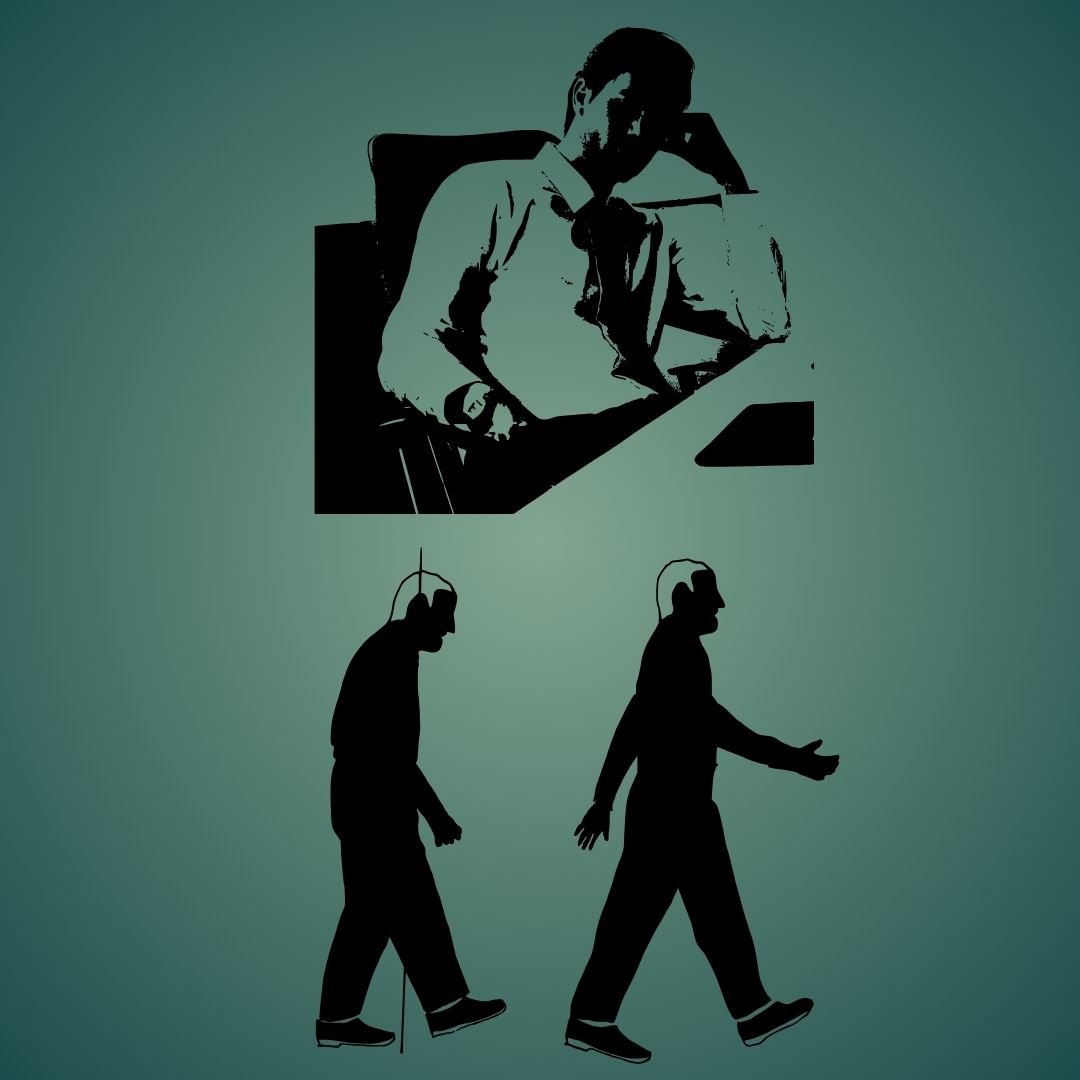
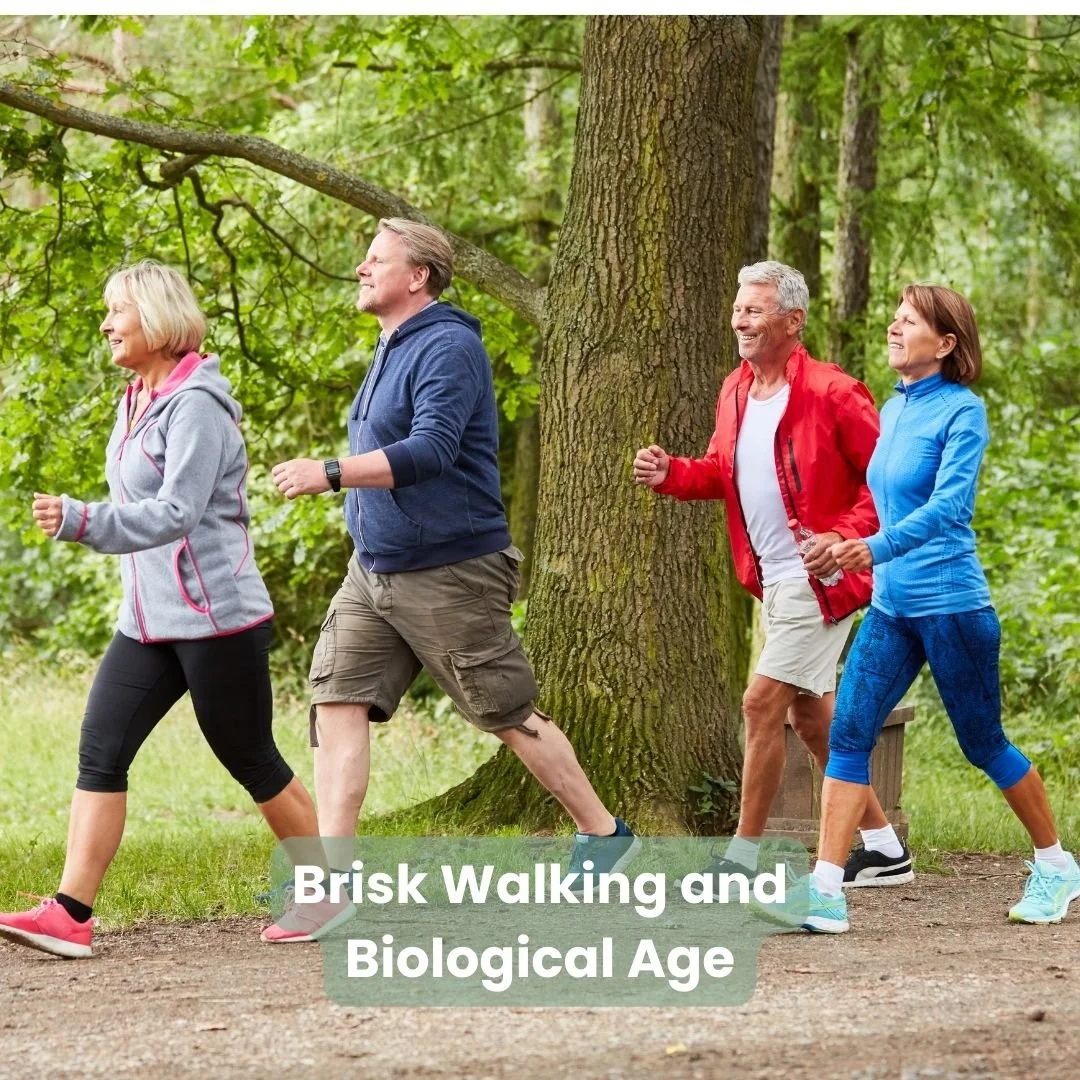
We have known for some time that walking speed and the length of your stride a related to overall health and longevity. The image of an older adult, hunched over and shuffle stepping is highly associated with ill healthy and morbidity. But now we know the way we walk, even in middle age, is a sign of biological aging.
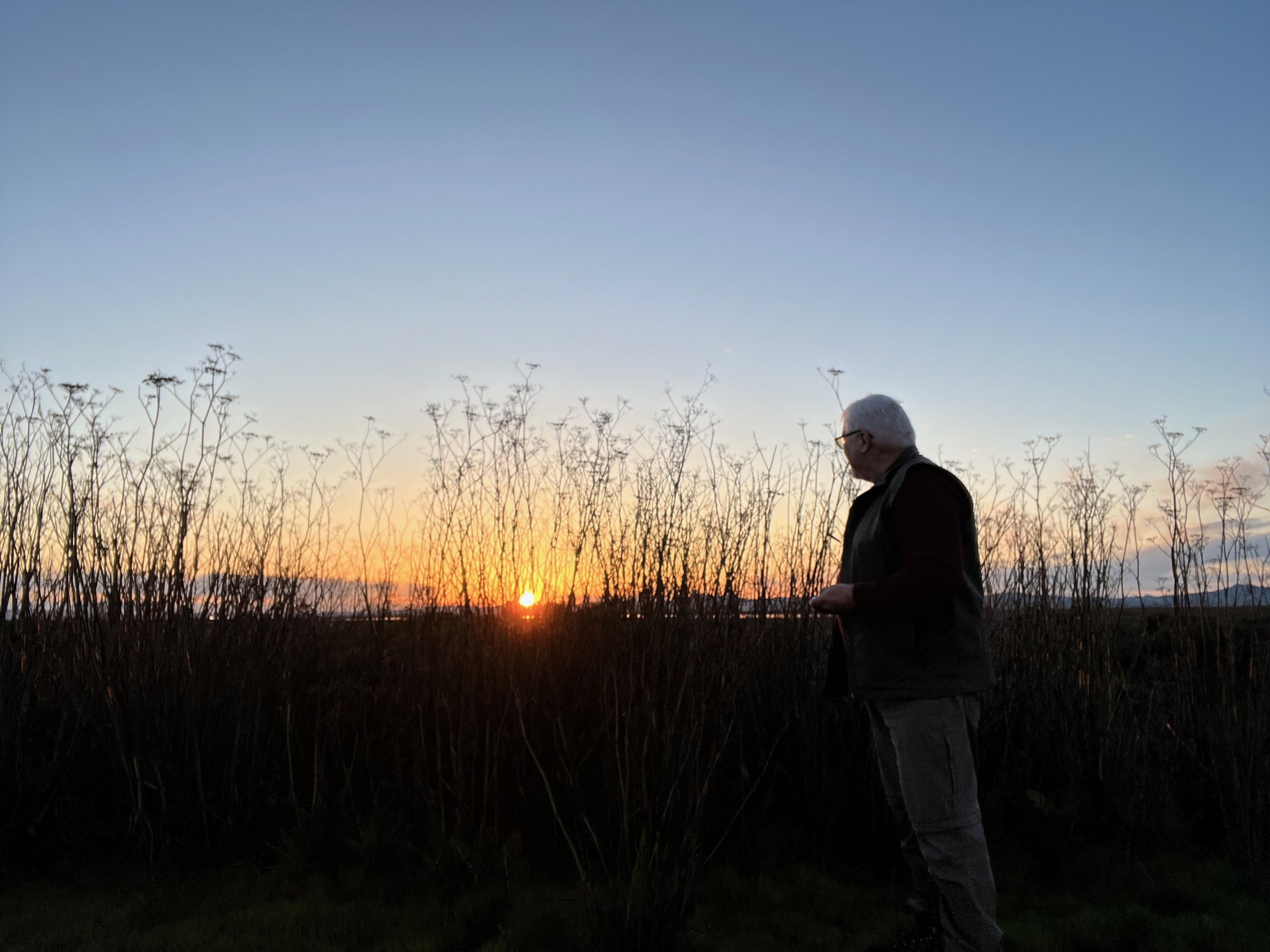
A sunrise is more than just a natural phenomenon; it's a symbol of hope and renewal. As the first light breaks over the horizon, I feel a sense of optimism wash over me.
Observing fractals in nature can have both psychological and physiological effects on individuals
We eat to maintain our physical vitality! We need the energy and the body needs a host of nutrients to maintain health. But just eating does not always mean the body get the nutrients it needs.
If you are over 30, you need to be concerned about muscle loss. Unless you take action, it will negatively affect your lifestyle and healthspan.
People have been dancing through out history. Why? It is good for your physical, mental, emotional and social vitality.
Birding or bird watching is a pleasurable pastime, but there is mort, it is good for your braind.
Elite athletes don’t eliminate stress—they leverage it. Their goal is not just peak physical performance, but peak mental and emotional vitality—right from the start of competition and sustained throughout.
The secret? A proactive performance plan that includes daily mental practices—refined, rehearsed, and integrated—so they’re ready when the pressure hits.
Business professionals operate in similarly high-stakes environments. Like athletes, you can dramatically improve focus, clarity, and resilience by training your mind as deliberately as you manage your schedule or skillset. Here’s how.