
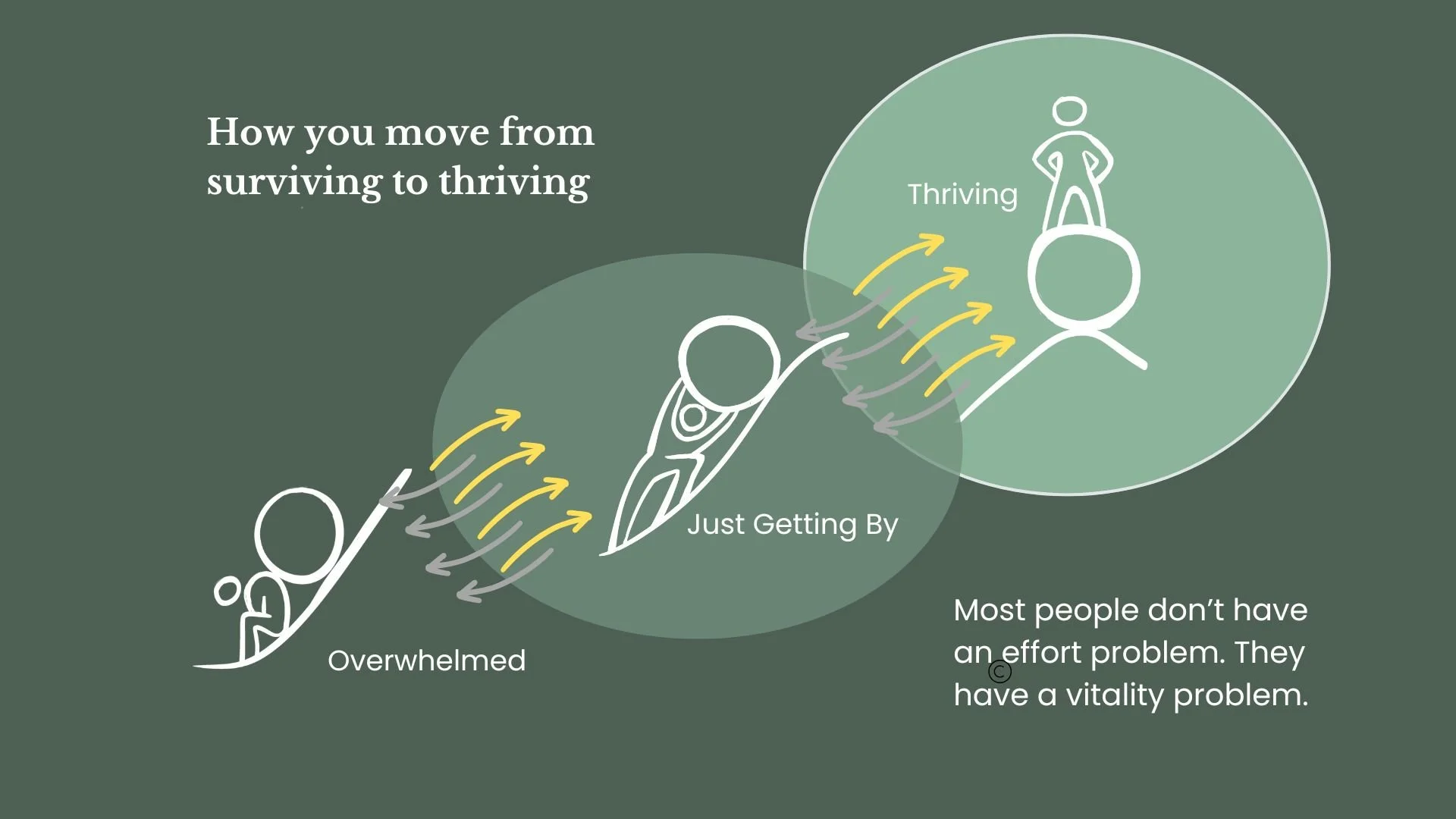
Insights for a Resilient Brain
Modern life places constant demands on the brain - uncertainty, complexity, and relentless information flow.
These insights explore how neuroscience and psychology can help us build vitality, resilience, and adaptive flexibility in a rapidly changing world.
Ideas from The Resilient Brain framework
Explore Insights by Topic
Start Here
If you’re new to these ideas, these articles introduce the core If you’re new to these ideas, the articles below introduce the core concepts behind The Resilient Brain and Everyday Ways to Vitality—a practical framework for building vitality, resilience, and adaptive flexibility in everyday life.
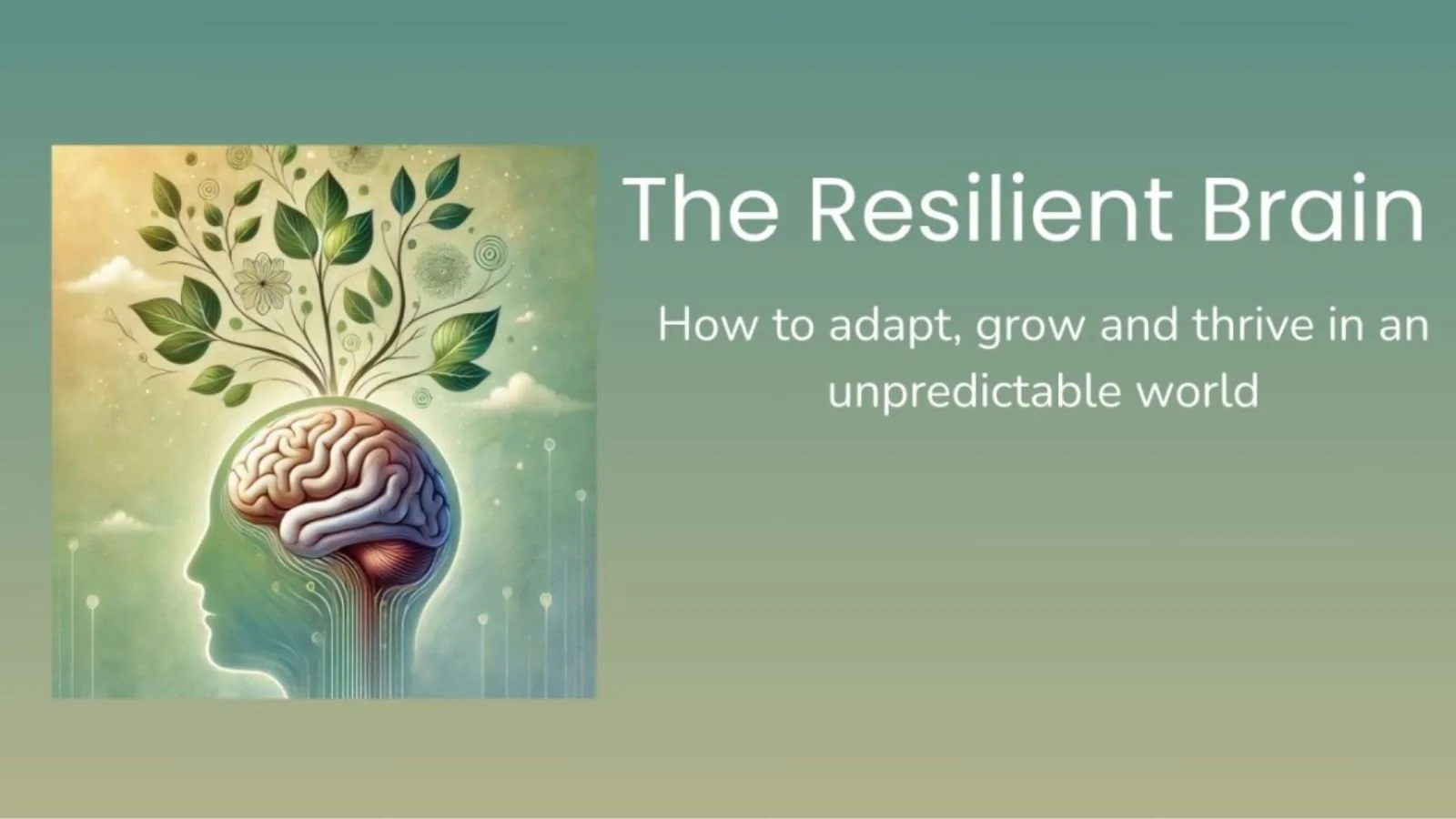
The Resilient Brain: How the Brain Adapts and Thrives in a Changing World
An overview of how the brain develops the capacity to adapt, recover, and maintain clarity in an increasingly complex world.
Everyday Ways to Vitality: Small Experiences That Strengthen the Brain
Simple practices that restore energy, expand attention, and support the brain’s natural capacity for growth.
Adaptive Flexibility: The Brain’s Hidden Skill for Navigating Change
Why the ability to interrupt autopilot and shift perspective is essential for navigating uncertainty.

The Adaptive Hinge: Why Interruption (Not Focus) Is the Key to Brain Performance
The Adaptive Hinge explains why the brain needs interruption—not just focus—to sustain energy, clarity, and resilience. Learn the neuroscience of resetting performance.
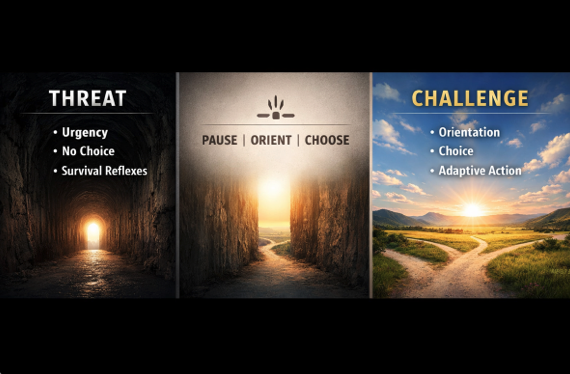
Opening the Frame: A Neuroscience Practice for Cognotove Openness
Most people think they “choose” how they respond to pressure.
Neuroscience tells a different story.
Before conscious thought kicks in, your nervous system has already answered one question:
“Am I safe enough to adapt—or do I need to survive?”
That split-second decision determines whether a situation becomes a threat to endure or a challenge to engage.
This is the hidden engine behind the negative side of the vitality paradox:
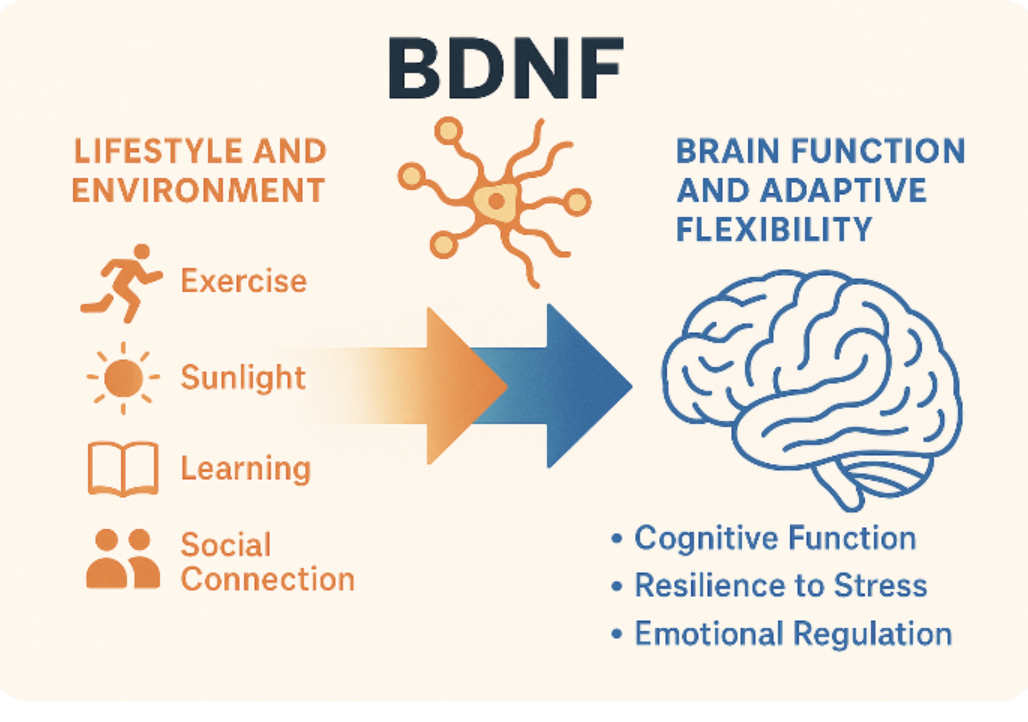
BDNF & Adapting to Change
A McKinsey report states that adaptability is one of the three capabilities companies need to thrive amid constant change. Leaders and professionals who can flex, reframe, and respond - rather than freeze - are not just surviving: they’re the ones clients and customers turn to when things get hard.

How World-Class Athletes Stay Mentally Sharp Under Pressure—And How You Can Too!
Elite athletes don’t eliminate stress—they leverage it. Their goal is not just peak physical performance, but peak mental and emotional vitality—right from the start of competition and sustained throughout.
The secret? A proactive performance plan that includes daily mental practices—refined, rehearsed, and integrated—so they’re ready when the pressure hits.
Business professionals operate in similarly high-stakes environments. Like athletes, you can dramatically improve focus, clarity, and resilience by training your mind as deliberately as you manage your schedule or skillset. Here’s how.
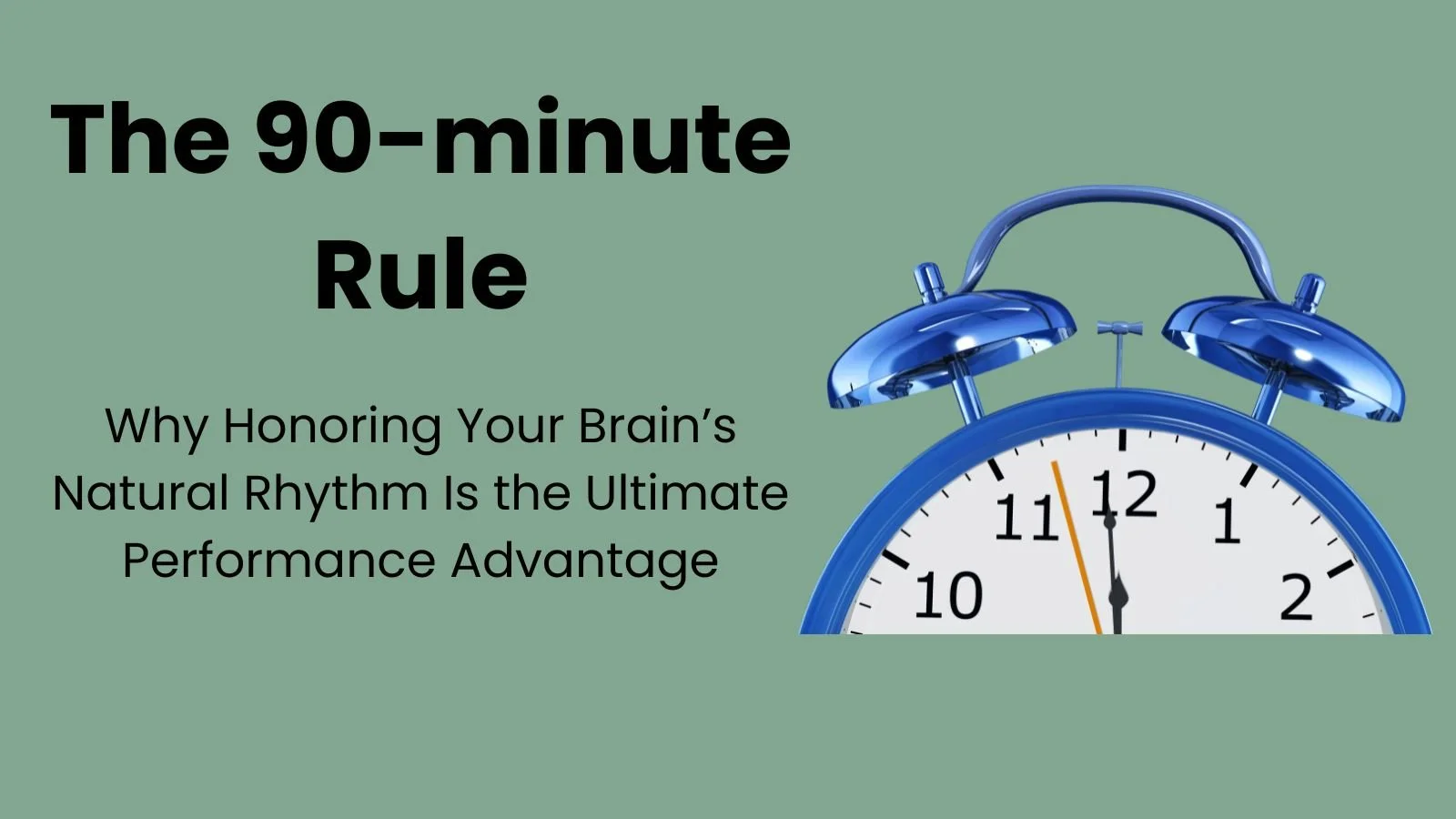
The 90-minute Rules that Separate Burnout from Breakthrough
Most high performers don’t struggle because they lack drive.
They struggle because they override their biology.
While you’ve probably heard about circadian rhythms (the sleep-wake cycle), your brain operates on ultradian rhythms all day long—shorter cycles of mental energy that repeat every 90–120 minutes.
Rewire & Recharge: Fuel Your Brain with Positive Energy
𝑯𝒂𝒗𝒆 𝒚𝒐𝒖 𝒆𝒗𝒆𝒓 𝒇𝒆𝒍𝒕 𝒔𝒕𝒖𝒄𝒌 𝒊𝒏 𝒔𝒖𝒓𝒗𝒊𝒗𝒂𝒍 𝒎𝒐𝒅𝒆—𝒄𝒐𝒏𝒔𝒕𝒂𝒏𝒕𝒍𝒚 𝒑𝒖𝒔𝒉𝒊𝒏𝒈 𝒕𝒉𝒓𝒐𝒖𝒈𝒉 𝒔𝒕𝒓𝒆𝒔𝒔 𝒐𝒓 𝒐𝒗𝒆𝒓𝒍𝒐𝒂𝒅?
𝑯𝒆𝒓𝒆’𝒔 𝒕𝒉𝒆 𝒕𝒓𝒖𝒕𝒉: 𝒀𝒐𝒖𝒓 𝒃𝒓𝒂𝒊𝒏 𝒊𝒔 𝒘𝒊𝒓𝒆𝒅 𝒕𝒐 𝒑𝒓𝒐𝒕𝒆𝒄𝒕 𝒚𝒐𝒖, 𝒏𝒐𝒕 𝒐𝒑𝒕𝒊𝒎𝒊𝒛𝒆 𝒚𝒐𝒖. 𝑰𝒇 𝒚𝒐𝒖 𝒅𝒐𝒏’𝒕 𝒂𝒄𝒕𝒊𝒗𝒆𝒍𝒚 𝒕𝒓𝒂𝒊𝒏 𝒊𝒕 𝒇𝒐𝒓 𝒗𝒊𝒕𝒂𝒍𝒊𝒕𝒚, 𝒊𝒕 𝒅𝒆𝒇𝒂𝒖𝒍𝒕𝒔 𝒕𝒐 𝒓𝒆𝒂𝒄𝒕𝒊𝒗𝒊𝒕𝒚, 𝒐𝒗𝒆𝒓𝒕𝒉𝒊𝒏𝒌𝒊𝒏𝒈, 𝒂𝒏𝒅 𝒃𝒖𝒓𝒏𝒐𝒖𝒕.
𝑩𝒖𝒕 𝒕𝒉𝒆 𝒈𝒐𝒐𝒅 𝒏𝒆𝒘𝒔? 𝒀𝒐𝒖 𝒄𝒂𝒏 𝒓𝒆𝒘𝒊𝒓𝒆 𝒚𝒐𝒖𝒓 𝒃𝒓𝒂𝒊𝒏 𝒕𝒐 𝒕𝒉𝒓𝒊𝒗𝒆.

Adaptive Flexibility: The Brain’s Hidden Skill for Navigating Change
Adaptive flexibility is the brain’s ability to revise assumptions, shift perspective, and explore new possibilities when circumstances change. In a world of constant uncertainty, this capacity may be one of the most important skills the brain can develop.

Everyday Ways to Vitality: Small Experiences That Strengthen the Brain
Vitality doesn’t come from dramatic life changes. It grows from small experiences that restore attention, regulate the nervous system, and strengthen the brain’s capacity to adapt. Everyday Ways to Vitality shows how simple actions can gradually rebuild energy, clarity, and resilience.

The Resilient Brain: How the Brain Adapts and Thrives in a Changing World
Modern life is not simply busy—it is neurologically demanding. Our brains are being asked to process more information, navigate more uncertainty, and shift attention more rapidly than at any previous time in human history. Many people sense the effects: scattered attention, persistent fatigue, and a feeling that clarity and balance are harder to maintain.

The Hidden Cost of Success: How Decision Fatigue is Draining Your Potential
High-achieving professionals don’t just work hard—they make hundreds of decisions every day. But what if I told you that this constant decision-making is silently eroding your mental clarity, strategic thinking, and adaptability?

The Early Warning Signs of Burnout—and How to Stop It Before It Starts
Burnout doesn’t happen overnight. It builds up gradually, creeping into your daily life until one day, you wake up feeling completely exhausted—mentally, emotionally, and physically. But before reaching full burnout, there are warning signs your body and mind send out. Recognizing these signs early can help you take action before burnout takes over. It usually means that vitality and resilience reserves have been depleted. Time to rejuvenate them!

Stale Air vs. Fresh Air: Why a Breath of Fresh Air Is Essential
Ever feel sluggish or mentally foggy at your desk, struggling to concentrate no matter how much coffee you drink? It might not be your workload — it could be the air you’re breathing. The air inside many offices is often stale and recycled, filled with pollutants and lacking the revitalizing qualities of nature. By stepping outside for a breath of fresh air, you’re doing more than just taking a break—you’re giving your mind, body, and brain a much-needed boost. Here’s how the air in nature can make all the difference compared to typical office air.

Struggling with Change: Take a walk, or better yet, Take a Walk in Nature
Change happens everywhere—at work, in relationships, through technology, and within society. Instead of fighting it, the key to success is developing adaptability. One surprising yet effective way to build that skill? Walking!

Stand Tall, Feel Confident: How Posture Shapes Presence and Perception
Your posture may be shaping how others perceive you. Instant judgments are made based on body language. An upright, open posture conveys confidence and approachability, while a slouched, closed posture can suggest defensiveness or disengagement. Walking is an excellent way to improve your posture as well as you mental and emotional state.

Change is not an Option, Get good at it!
You can’t avoid change, whether in a relationship, what is valuable at work, or the latest update to a favorite App. You either adapt or experience stress and just get by. Ideally, you find opportunity in the change and thrive.

How to do 4-7-8 Yoga Breathing
The 4-7-8 breathing technique, sometimes referred to as "yoga breathing," is a simple breathing exercise that can help promote relaxation and reduce stress. Here's how to do it:

Reluctance versus Resilience to Change
In the words of Heraclitus, "Change is the only constant."
I offer a program that will help you improve your ability to cope with changes in your life, while also teaching you how to recognize and capitalize on the opportunities that change can bring. With this program, you'll be able to embrace change and approach it with enthusiasm and confidence.

Prime Your Receptivity to Nature Experiences
The key to priming your receptivity is to interrupt that internal chatter that keeps your mind busy or overrides the learned tendency to downplay environmental information. Nature has a powerful effect on our mental and emotional well-being because it pulls us into the present moment. By priming your receptivity, you give nature a helping hand in doing its magic.

The “Why” of Indoor Plants
Having indoor plants offers numerous benefits, both for your physical health and mental well-being.

A Guide to Progressive Relaxation
Progressive relaxation is a relaxation technique developed by Dr. Edmund Jacobson. It involves systematically tensing and then relaxing different muscle groups in the body to induce a state of deep relaxation.